
Allulose vs Monk Fruit: Which Sweetener is Best
If you’re looking for a tasty and healthy sugar replacement, you’re not alone. We’ll compare allulose vs monk fruit sweeteners, explaining their benefits and downsides and which is best for you.
In this article, I’ll give you all of the details on these popular sugar substitutes, how they compare, and some of the science behind their potential side effects and health benefits. By the end, you’ll be all set to decide which of these popular natural sweeteners is the healthier choice for you!

Before losing 125 pounds, I loved sweet foods and anything with regular sugar. I still have a sweet tooth, but now that I have lost weight, I am trying to keep it in check. So, when I make desserts like this vegan cookie dough recipe, I use natural alternative sweeteners instead of table sugar.
Before I tell you about allulose vs monk fruit, please take a quick second to subscribe to my Intentionally Eat newsletter. It contains tips and recipes to help you live your healthiest life, plus you’ll get a FREE acid/alkaline chart to show you which foods you should eat for optimum health.
What is Allulose?
Allulose is a low-calorie sugar substitute that is considered a “rare sugar.” It occurs naturally in small amounts in fruits like figs, jackfruit, and raisins and in molasses and maple syrup. The great thing about allulose is that it tastes a lot like regular sugar—about 70% as sweet—but with fewer calories.
This makes it a great option for anyone focusing on weight loss and calorie intake without giving up on sweetness.
Another bonus? Allulose has minimal impact on blood sugar levels and insulin levels, which is excellent news for people with diabetes or insulin resistance, or on low carb diets. Most folks tolerate it well, but if you go overboard, you might experience a bit of digestive discomfort. You can use allulose in various recipes, from baking to cooking and even in drinks, making it extremely versatile.
Overall, it’s a great choice for anyone looking to enjoy sweet taste without the guilt!

Is Allulose Keto?
Yes, allulose is considered okay for those on a keto diet. Since it’s a low-calorie content sweetener with minimal impact on blood glucose levels, it fits perfectly into a ketogenic diet. It has only about 0.2 calories per gram and doesn’t cause a blood sugar spike, making it a good choice for anyone trying to keep their carb intake low while still satisfying their sweet tooth.

How Many Carbs in Allulose?
Allulose contains about 0.4 grams of carbohydrates per teaspoon. However, since the body does not fully absorb it, it’s often counted as zero carbs and has a negligible impact on your total carbohydrate intake. Many people consider allulose a zero-carb sweetener, making it a good option for reducing carb consumption.
What is the Downside of Allulose?
As with any sugar alternative, Allulose has a few downsides. First, some folks might experience digestive issues like bloating or gas, especially if they ingest it in large quantities.
Allulose is primarily absorbed in the small intestine but not completely. A portion passes through our digestive systems and can reach the colon. Since it’s not fully absorbed, some can be fermented by gut bacteria in the colon, so some might experience digestive discomfort if they consume larger amounts. It’s best to start with smaller amounts and see how your body reacts.
Another thing to consider is availability and cost. Allulose isn’t as easy to find as some other sweeteners you can find it here. It can be more expensive than other sweeteners since it’s new to grocery stores and demand is lower. Plus, while many love the taste, a few might notice a slightly bitter aftertaste or find the texture different from regular sugar, especially in baked goods. I haven’t experienced this and I think it tastes very similar to natural sugar.
Also, depending on where you live, allulose might be labeled a carcinogen and might not have a clear nutrition facts label. Though the initial studies look promising, we still need more long-term research to understand its effects on health fully.
So, while allulose is a great option for many, it’s good to be aware and check with your healthcare provider if necessary.
Why is Allulose Banned in Europe?
Allulose is not widely approved for use in Europe because it hasn’t been granted Novel Food status by the European Food Safety Authority (EFSA). This means that allulose hasn’t gone through the rigorous safety assessments required for new food ingredients in the EU.
The lack of approval is mainly due to concerns about the potential effects of allulose on health and the need for more comprehensive studies on its safety and long-term consumption effects. While some countries may allow its use in specific contexts, it hasn’t been fully embraced in the broader European market like it has in the U.S. As research continues, there may be changes in the future regarding its status in Europe.
In 2019, the U.S. Food and Drug Administration (FDA) granted allulose “generally recognized as safe” (GRAS) status. This approval allowed it to be used as a sweetener in various food products without the same labeling restrictions that apply to synthetic sweeteners.
What is Monk Fruit?
Monk fruit, also known as luo han guo, is a small green fruit from southern China. It’s been around for centuries and is famous for its use in traditional Chinese medicine, but these days, it’s really popular as a natural sweetener. What makes monk fruit special is its sweetness level; it can be up to 200 times sweeter than sugar, yet the fruit has zero calories!
One of the coolest things about monk fruit is that it has a low glycemic index, meaning it won’t spike your blood sugar levels. This makes it a great choice if you have diabetes or you’re watching your sugar intake. Monk fruit packs some antioxidant properties, but we still need more research to fully understand its health benefits.
You can use monk fruit in all sorts of recipes—think beverages, desserts, and sauces. It usually comes in powdered or liquid forms, and a lot of people appreciate that it doesn’t have the aftertaste that some other sweeteners do. So, if you’re looking for a tasty and healthy sugar alternative, monk fruit is definitely worth a try.

Is Monk Fruit Keto Friendly?
Yes, monk fruit is keto-friendly. Since it has zero calories and doesn’t raise blood sugar levels, it fits nicely into a ketogenic diet. Its natural sweetness comes from mogrosides, which are much sweeter than sugar but contain no carbs, making it a great option for those looking to satisfy their sweet tooth without affecting their ketosis.
How Many Carbs in Monk Fruit?
Monk fruit contains virtually no carbohydrates, making it a better choice for low-carb and keto diets. Most monk fruit sweeteners are made with extract and are calorie-free, so they have minimal impact on your overall carb intake. However, some commercial monk fruit products may have added ingredients that could contain carbs, so it’s always a good idea to check the label. Pure monk fruit extract is considered to have zero net carbs and a good sweetener.
Allulose vs Monk Fruit: Which Sweetener is Best
If you’re looking for a tasty and healthy sugar replacement, you’re not alone. We’ll compare allulose vs monk fruit sweeteners, explaining their benefits and downsides and which is best for you.
What is the Downside of Monk Fruit?
While monk fruit is a fantastic sweetener for many, there are a few downsides to keep in mind. First, it can be a bit pricey compared to regular sugar and other sugar alternatives, which might not work for everyone’s budget.
As for the taste, a lot of people love it, but some might notice a slight aftertaste or feel that it doesn’t blend as well in certain recipes. Plus, many monk fruit products have added ingredients like erythritol, which can cause digestive issues for some, especially if you consume large amounts.
Lastly, while monk fruit has a long history of use, we still need more research to really understand its long-term effects. So, while it has plenty of perks, it’s good to be aware of these potential issues.
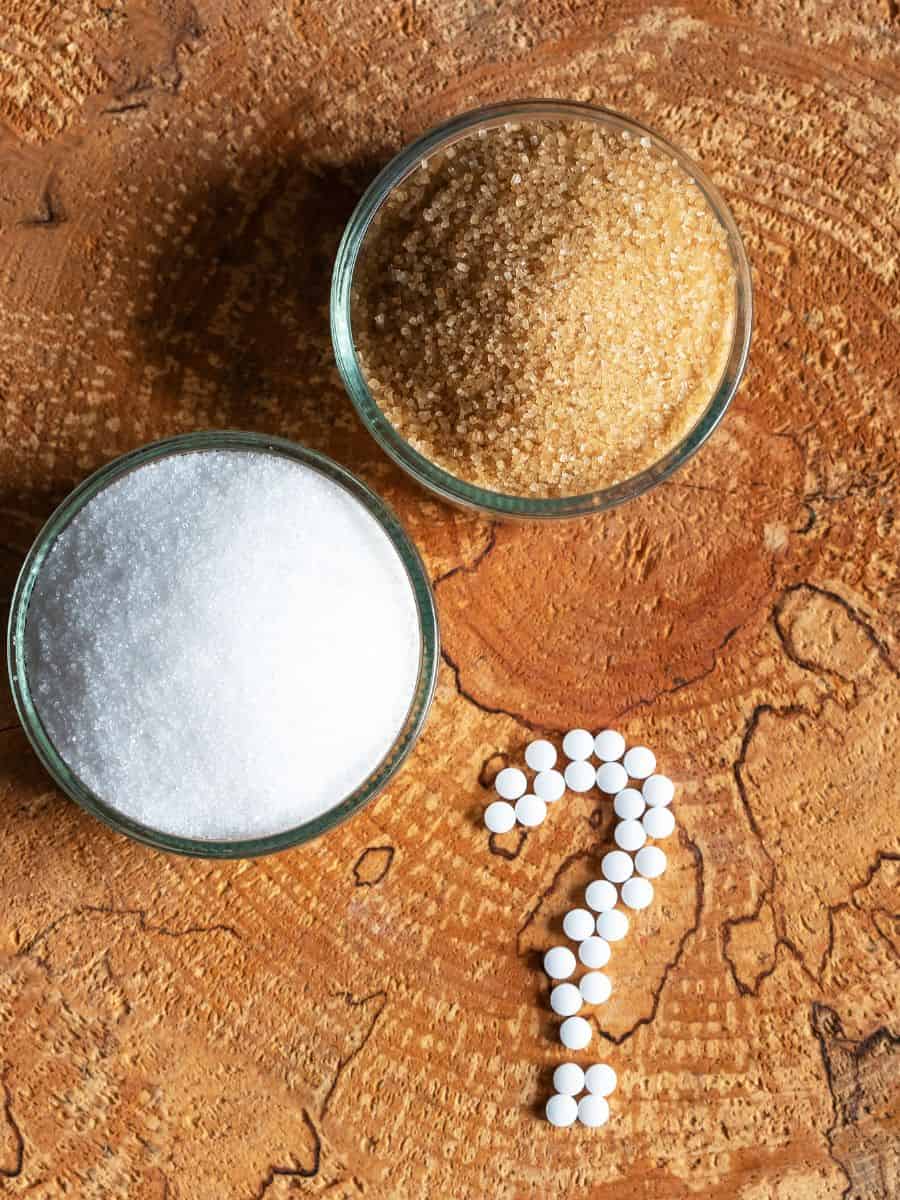
Which is Healthier: Allulose vs Monk Fruit
Both monk fruit and allulose have their health benefits, but which one is “healthier” can depend on your dietary needs and taste preferences.
Monk Fruit:
- Zero Calories and Carbs: It’s calorie-free and doesn’t impact blood sugar, making it great for diabetics and those on low-carb diets.
- Antioxidant Properties: Monk fruit contains antioxidants, which can offer additional health benefits.
- Natural Origin: It’s a natural sweetener that has been used for centuries in traditional medicine.
Allulose:
- Low-Calorie: Allulose has about 0.2 calories per gram and minimal impact on blood sugar. Some studies suggest that it may help manage blood sugar levels after meals. Research indicates that allulose can reduce postprandial (after eating) blood sugar spikes in some individuals, likely due to its low glycemic index and minimal effect on insulin.
- Versatile Use: It can be used in cooking and baking, often mimicking the texture of sugar, and has a similar taste.
- Gut Tolerance: Most people tolerate it well, but some may experience digestive issues if consumed in large amounts.
Ultimately, if you prefer a sweetener with additional antioxidant benefits and no carbs, monk fruit might be your choice.
If you’re looking for something that behaves more like sugar in recipes, allulose could be better. Both can be healthy options, so it often comes down to personal preference.
Try either one in this Copycat Quaker Maple Brown Sugar Oatmeal Recipe.

More Trending Nutrition Information
- Vegan Diet for Weight Loss (Is it More Effective?)
- 10 Surprising Health Benefits of Seaweed Salad
- Free Comprehensive Acid/Alkaline Food Chart
About The Author
Although thousands of people visit Cindy’s website each month, her path to success was not easy. Go here to read her incredible story, “From Morbidly Obese to Losing 125 Pounds and Becoming a Health Coach.” If you want to send Cindy a quick message, visit her contact page here.
Pin this for later


Disclaimer: Please note that I am not a medical professional. The information provided on this blog is based on my personal experiences and research as a vegan recipe enthusiast. While I strive to provide accurate and up-to-date information, it is important to consult with a qualified healthcare professional or a registered dietitian before making any significant changes to your diet, especially if you have any underlying health conditions or concerns. The recipes and tips shared on this blog are meant for general informational purposes and should not be considered a substitute for professional medical advice. Always prioritize your health and well-being by seeking personalized guidance from a qualified healthcare provider.


