
Can You Put a Smoothie in the Fridge? A Complete Guide
Share and Spread Healthy Recipes!
Can you put a smoothie in the fridge? The answer is yes, but you need to follow some essential tips and tricks to preserve the nutritional value and taste of your smoothie and overall creamy consistency.
In this post, we’ll walk through the best practices for storing your homemade smoothies safely, guaranteeing maximum freshness and a longer shelf life. Keep reading for the tips.
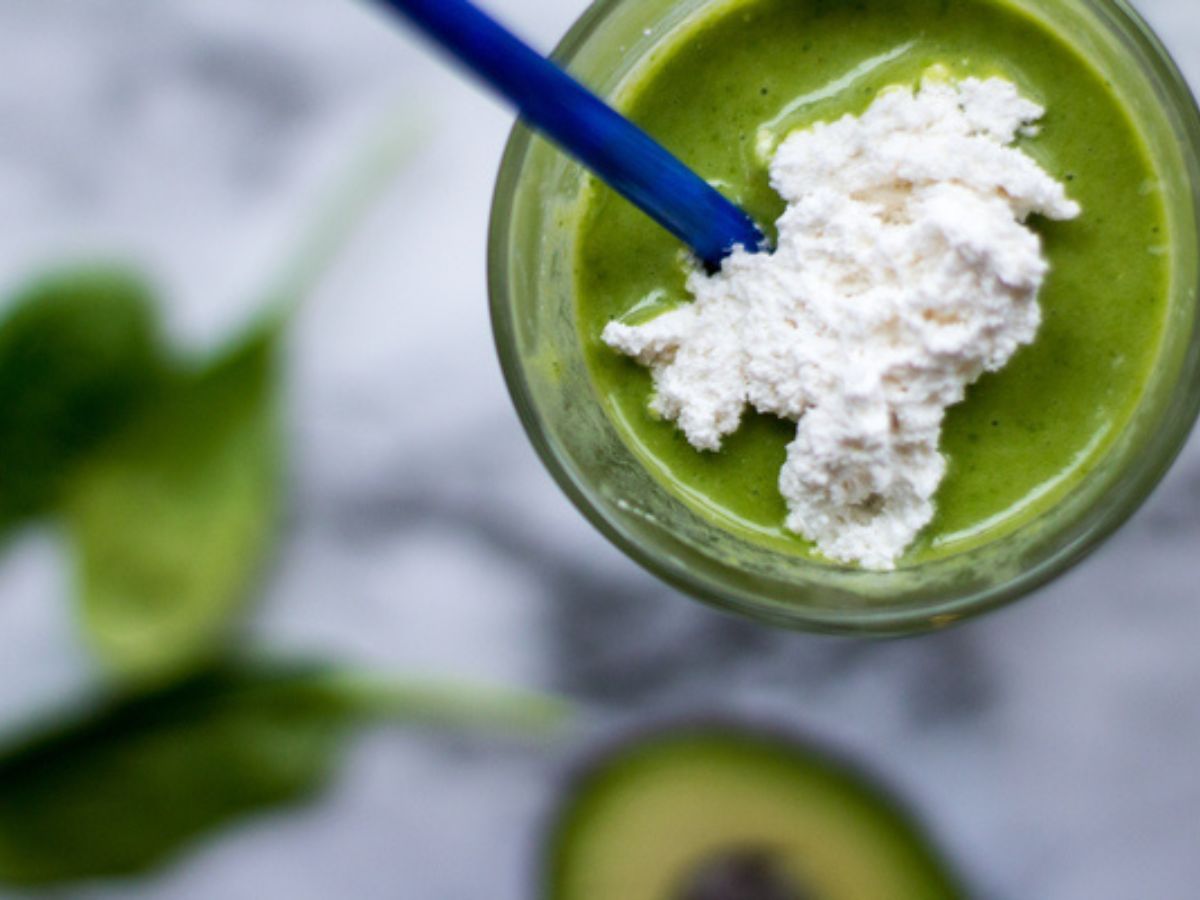
Before I lost 125 pounds, I didn’t drink smoothies. I drank soda, nearly a 2-liter a day. Now that I enjoy a plant-based diet and have given up soda for good, I love a good smoothie. Here are a few of my favorite smoothie recipes.
Before I show you how you can put a smoothie in the fridge, please take a quick second to subscribe to the Intentionally Eat newsletter. It contains tips and recipes to help you live your healthiest life, plus you’ll get a free acid/alkaline chart to show you which foods you should eat for optimum health.

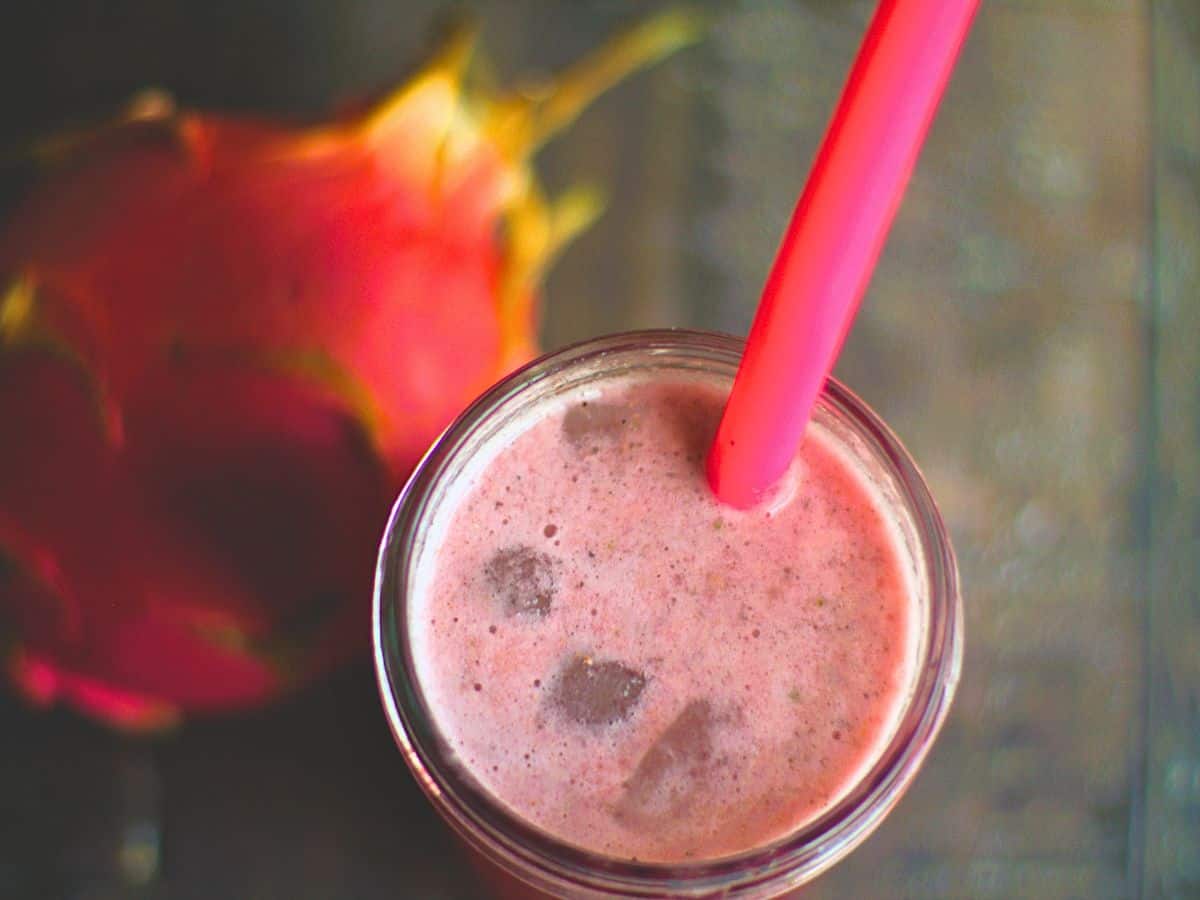
Smoothies are a great way to kickstart your day with vitamins, minerals, and a little bit of energy. Whether you’re blending a fresh smoothie packed with fresh fruits, leafy greens, and protein powder, or making a frozen fruit smoothie with your favorite fruits in your blender, you might end up with too much smoothie that you can’t finish in one go. Or you want to make a big batch of smoothies for meal prepping, and an easy way to have a grab-and-go breakfast.
So, keep reading for top tips, expert advice, and answers to the common question – can you put a smoothie in the fridge?
Understanding Smoothie Storage
Why Proper Storage Matters
Storing your smoothie correctly is not just about convenience—it’s about preserving the nutritional value and flavor of your drink.
When stored improperly, you might notice changes in the color of your smoothie (for example, a fading green color if you use lots of leafy greens), a separation of ingredients, or even the growth of bacteria. These changes can affect both the taste of your smoothie and its overall health benefits.
Key reasons for proper storage include:
- Maintaining Freshness: A fresh smoothie tastes delicious and is packed with nutrients. Storing it correctly can keep it tasting like it was just made.
- Preventing Spoilage: An airtight container and the proper storage method reduce the risk of bacterial growth.
- Extending Shelf Life: With the proper method, you can store your smoothie for a single day, the next day, or even up to an extended period without compromising on quality.

Can You Put a Smoothie in the Fridge?
Yes, you can definitely put a smoothie in the fridge. In fact, it’s one of the easiest and most effective ways to store your leftover smoothie or a big batch of smoothies until you’re ready to enjoy them.
However, there are some crucial steps you should follow to guarantee your healthy smoothies maintain their creamy consistency and best quality.
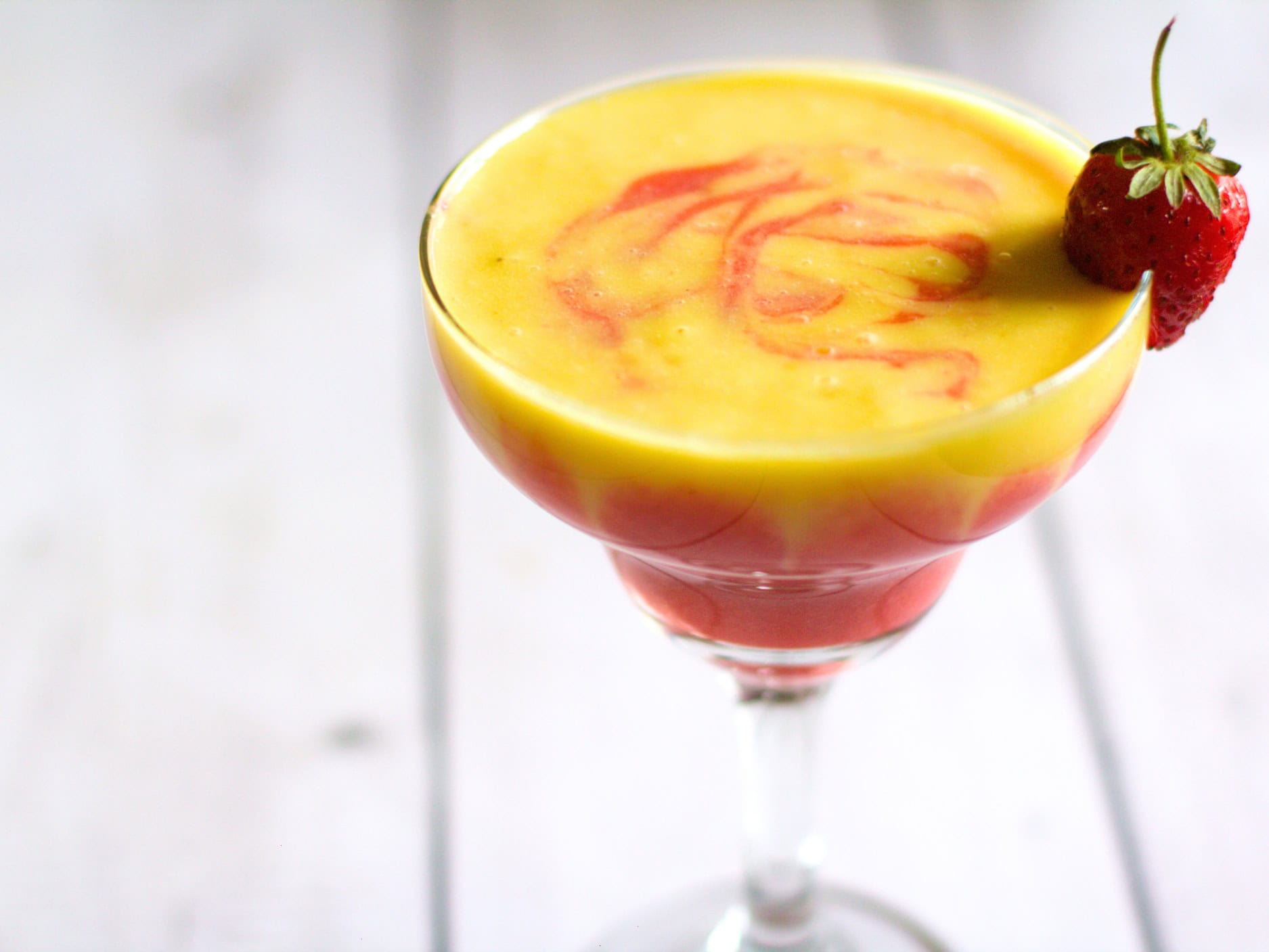
What Happens When You Refrigerate a Smoothie?
When you place your smoothie in the fridge:
- Temperature Drop: The smoothie will cool down, preserving its flavors and ingredients.
- Separation: You might notice some separation, especially if your smoothie contains ingredients like almond milk, coconut milk, or protein powder. This is normal.
- Texture Changes: Over time, the smoothie may thicken due to the cold. A quick good shake, another blend, or a stir before drinking usually restores the original texture.
More helpful information:
The Best Cheap Smoothie Blender
Peanut Butter Fudge Protein Shake
How to Make a Strawberry Acai Refresher
Best Container for Smoothie Storage
Mason Jars and Glass Jars
Mason and glass jars are among the top choices for storing homemade smoothies. They:
- Preserve Flavor: Glass doesn’t retain odors or stains.
- Airtight Seal: With a tight-fitting airtight lid, they help prevent oxidation.
- Eco-Friendly: Reusable and environmentally friendly.
Plastic Containers
If you’re on the go, plastic containers are a convenient option. However:
- BPA-free: Make sure to get the best plastic possible.
- Lightweight: They are lightweight and great for packing into lunch bags.
- Less Breakable: Glass has a better chance of breaking, so plastic might be some of the right containers for you.
Silicone Bags and Ziplock Bags
For those interested in long-term storage, try freezing smoothies:
- Freezer-safe bag: You can use reusable silicone bags or disposable drink pouches to store your premade smoothies.
- Cube Trays: You can use freezer cube trays like these or a silicone ice cube tray like this one for portioning out your smoothie cubes (more on that below) or storing a leftover smoothie for enjoying at a later time, or extending the shelf life of your smoothies.
Tips for Refrigerating Your Smoothie
Storing your smoothie in the fridge is simple if you follow these best tips:
- Add Citric Acid: Adding citric acid from lemon juice or lime juice can help extend the shelf life of your smoothie. Citrus juices act as natural preservatives by slowing oxidation, which helps maintain your smoothie’s color, freshness, and nutritional value for extended periods. Add 1–2 teaspoons of lemon or lime juice per 16-ounce smoothie.
- Use an Airtight Container: Always pour your smoothie into an airtight container or glass mason jar with a tight lid. This is the best way to prevent the growth of bacteria and to keep the taste of your smoothie intact.
- Avoid Excess Air: When storing, leave as little air as possible in the container. Air accelerates oxidation, which can reduce the nutritional value and affect the flavor. Consider using this electric mason jar vacuum sealer kit or filling your container completely to minimize air exposure.
- Refrigerate Promptly: Refrigerate any leftover smoothie or your meal prep smoothies immediately.
- Enjoy Within a Day or Two: For the best quality and creamy consistency, consume your refrigerated smoothie the same day or by the next day. Beyond that time, you might notice signs of spoilage like a sour smell or changes in texture. If you won’t drink it within two days, try freezing it.
For more information about food safety and storage, go to www.foodsafety.gov.

Tips for Freezing Your Smoothie
If you want to enjoy your favorite fruit smoothies, green smoothies, or banana smoothies over an extended period, consider freezing them and storing them in freezer-safe containers. Freezing not only preserves the nutritional value but also allows you to create a convenient big batch of smoothies for busy mornings.
How to Freeze Smoothies
- Blend Your Smoothie: Prepare your fresh smoothie like this Copycat Tropical Smoothie Sunrise Sunset Recipe, using your favorite smoothie ingredients such as fresh fruits, leafy greens, almond milk, coconut milk, orange juice, chia seeds, and even protein powder.
- Pour into Ice Cube Trays: Instead of freezing your smoothie in a large container, pour it into silicone ice cube trays. This allows for individual portions and makes it easier to thaw only what you need.
- Cover Tightly: Whether you’re using plastic containers, freezer-safe bags, or ice cube trays, be sure they have tight lids and are sealed well.
- Freeze Immediately: Place the trays or bags in the freezer for several hours until fully frozen.
Freezing a big batch of smoothies allows you to add a few cubes to a glass of fruit juice or almond milk and blend for a quick, delicious smoothie.
It’s convenient with minimal prep time and handy during busy mornings or when you’re on the go.
Freezing smoothies can extend their shelf life for an extended period without losing flavor or nutritional value.

Break the cycle of quick-fix diets that leave you feeling frustrated and defeated. With the Beginner’s Guide to Plant-Based Eating, you can uncover a better way forward.
Before I say goodbye, I encourage you to take a moment to find out how I went from obese to 125-pound lighter -and how you can reach your goals, too!
Hungry for more?
Yellow vs Red Dragon Fruit Benefits
How To Make Blueberry Compote With Fresh Blueberries
About The Author
Although Cindy has lost 125 pounds, her path to success was not easy. Go here to read her incredible story, “From Morbidly Obese to Losing 125 Pounds and Becoming a Health Coach.” If you want to send Cindy a quick message, visit her contact page here.
Pin this for later

I hope you enjoyed it and learned you can put a smoothie in the fridge!


Disclaimer: Please note that I am not a medical professional. The information provided on this blog is based on my personal experiences and research as a vegan recipe enthusiast. While I strive to provide accurate and up-to-date information, it is important to consult with a qualified healthcare professional or a registered dietitian before making any significant changes to your diet, especially if you have any underlying health conditions or concerns. The recipes and tips shared on this blog are meant for general informational purposes and should not be considered a substitute for professional medical advice. Always prioritize your health and well-being by seeking personalized guidance from a qualified healthcare provider.


