
How Long to Cook a Baked Potato at 400°F: Your Ultimate Guide
Share and Spread Healthy Recipes!
There’s nothing quite like a perfectly baked potato—crispy skin, fluffy insides, and endless topping possibilities. But you might wonder how long to cook a baked potato at 400°F to achieve that ideal texture. I’ll show you the best techniques, tips, and tricks for perfect baked potatoes every time.

Before I lost 125 pounds, I would top the potatoes with a pat of butter, a dollop of sour cream, bacon bits, and mounds of cheddar cheese. Now that I know better and enjoy a vegan diet, the main thing I want is a good baked potato.
Before I show you how to make the best baked potato recipe, please take a quick second to subscribe to my Intentionally Eat newsletter. It contains tips and recipes to help you live your healthiest life, plus you’ll get a free acid/alkaline chart to show you which foods you should eat for optimum health.

- The Secret to a Perfect Baked Potato
- Preparing Your Potatoes
- How Long to Cook a Baked Potato at 400
- How to Cook a Perfect Baked Potato
- Why Cooking at 400°F Is Ideal
- Tips for Enhancing Flavor and Texture of Baked Potatoes
- Storing and Reheating Leftovers
- How Long to Cook a Baked Potato at 400°F: Your Ultimate Guide
The Secret to a Perfect Baked Potato
The secret to the best baked potatoes is choosing the right potato, proper preparation, and precise cooking time. At 400°F, the inside of the potato becomes light and airy, while the skin crisps up beautifully. Whether you’re using russet potatoes, sweet potatoes, or Yukon Golds, the key is consistent heat and a little attention to detail.

Preparing Your Potatoes
Choosing the Right Potato
For a traditional baked potato, russet potatoes are the best option. Their high starch content results in a fluffy interior. If you’re in the mood for a sweeter twist, opt for sweet potatoes, or for a creamier texture, try Yukon Golds.
Cleaning and Prepping
Start by scrubbing your potatoes under running water to remove any dirt. After drying them, use a sharp knife or fork to poke holes into the skin. This step is crucial as it allows steam to escape during baking, preventing the potatoes from bursting in the oven.

To season, rub the potatoes with a bit of olive oil. This step ensures crispy, golden-brown skin.

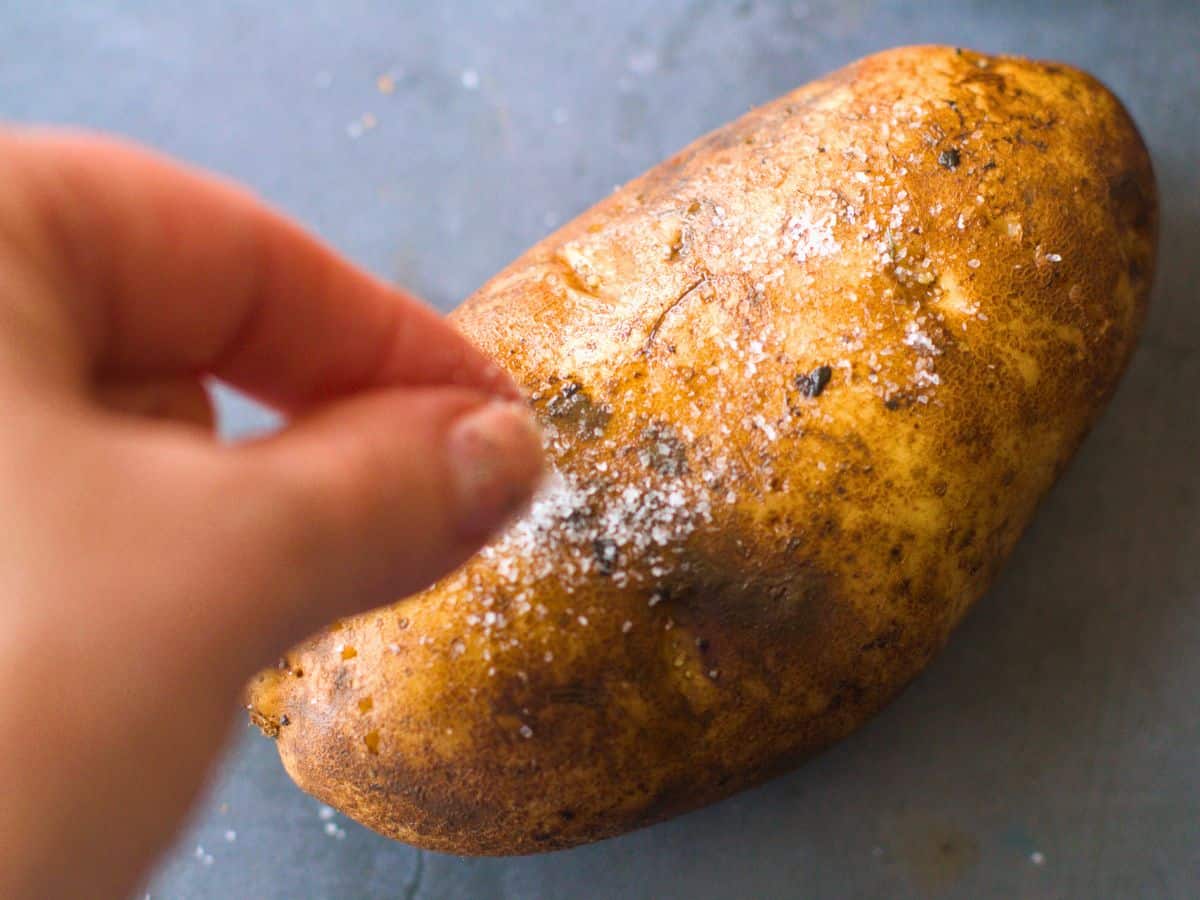
Sprinkle with kosher salt or sea salt for a flavorful finish.

How Long to Cook a Baked Potato at 400
The baking time for potatoes at 400°F depends on their size. For medium potatoes, expect a cooking time of 50–60 minutes. Larger sizes may need extra time, about 10–15 minutes, while smaller ones might be done in as little as 40 minutes.
A simple way to test doneness is to insert a sharp knife into the center of the potato. If it slides in easily, your potato is ready. Alternatively, check the internal temperature with a food thermometer—for the perfect baked potato, it should read between 205°F and 210°F.

Looking for more healthy recipes?
How to Perfectly Bake Sweet Potatoes
5 Ingredient Crock Pot Potato Soup
Twice Baked Sweet Potato Recipe
How to Cook a Perfect Baked Potato
Instructions:
- Preheat Your Oven: Set it to 400°F (200°C). This temperature ensures even cooking and crispy skin.
- Prepare the Potatoes: Scrub the potatoes thoroughly under running water to remove dirt. Pat them dry with a towel.
- Poke Holes: Use a fork to pierce the potatoes a few times. This prevents steam buildup inside.
- Coat for Crispiness: Rub the potatoes with a light layer of olive oil. Sprinkle generously with coarse salt to enhance the flavor and help the skin crisp up.
- Bake Directly on the Rack: Place the potatoes directly on the oven rack or on a baking sheet lined with a wire rack. This allows air to circulate, crisping the skin evenly.
- Bake Until Tender: Bake for 45-60 minutes, depending on the size of the potatoes. They’re ready when the skin is crispy, and a knife slides easily into the center.
- Optional Finishing Touch: For extra crispiness, turn the oven to 425°F (220°C) for the last 5-10 minutes.
No, you should not wrap the potato in foil if you want crispy skin. Wrapping in foil traps steam, which softens the skin instead of allowing it to crisp up.
For the crispiest skin, bake the potato unwrapped directly on the oven rack or a baking sheet with a wire rack to allow air circulation. If you’re looking for soft skin instead, foil is a good option, but it won’t achieve that delicious crispiness.
Why Cooking at 400°F Is Ideal
Baking at higher temperatures like 400°F gives you the fluffy insides and crispy skin that make a baked potato so irresistible. A lower temperature may result in uneven cooking, while different temperatures can alter the texture. Stick to a consistent 400°F for the best results.

Tips for Enhancing Flavor and Texture of Baked Potatoes
Seasoning the Skin
While plain baked potatoes are great, seasoning the skin elevates the flavor. A light coating of oil combined with garlic powder or a sprinkle of salt can make all the difference.
Creative Topping Ideas
The beauty of baked potatoes lies in their versatility. Top yours with a pat of vegan butter, vegan cheddar cheese, or a dollop of vegan sour cream. For a healthier option, try plant-based yogurt. Add texture with broccoli, chopped green onion, or a sprinkle of garlic powder.
Tips for Baking in the Oven
For the best results, place potatoes directly on the oven rack. This allows air to circulate and ensures even cooking. If you prefer easier cleanup, use a rimmed baking sheet lined with parchment paper or aluminum foil.
Storing and Reheating Leftovers
If you have leftover baked potatoes, don’t toss them! Store them in an airtight container in the fridge. To reheat, pop them in a preheated oven at 375°F for 10–15 minutes. This method brings back the crispy skin and fluffy interior.
For more information about food safety, go to www.foodsafety.gov.

Recipe

Enjoyed This Recipe? Please leave a 5-star rating and tell me how it went in the comments below. I love hearing from you! For more healthy recipes, join my mailing list for instant access to new ideas.

How Long to Cook a Baked Potato at 400°F: Your Ultimate Guide
Ingredients
- 1 potato russet
- olive oil spray
- coarse salt

Instructions
- Preheat Your Oven: Preheat to 400°F (200°C).
- Prepare the Potato: Scrub the potato thoroughly under running water to remove dirt. Pat dry with a towel.
- Poke Holes: Use a fork or knife to pierce the potato a few times.
- Coat for Crispiness: Rub the potato with a light layer of olive oil and sprinkle generously with coarse salt.

- Bake Directly on the Rack: Place the potato directly on the oven rack.
- Bake Until Tender: Bake for 45-60 minutes, depending on the size of the potato. They're ready when the skin is crispy, and a knife slides easily into the center.



Optional
- Optional Finishing Touch: For extra crispiness, turn the oven to 425°F (220°C) for the last 5-10 minutes.
Notes
The Nutritional Information is only an estimate based on the basic recipe without the optional ingredients. The accuracy of this recipe may differ depending on the ingredients you use.
Storing and Reheating Leftovers
If you have leftover baked potatoes, don’t toss them! Store them in an airtight container in the fridge. To reheat, pop them in a preheated oven at 375°F for 10–15 minutes. This method brings back the crispy skin and fluffy interior.Serving
Slice open, fluff the inside with a fork, and top with your favorite toppings like vegan butter, vegan sour cream, chives, or vegan cheese. Enjoy the perfect balance of crispy skin and fluffy interior!Nutrition
Before I say goodbye, I encourage you to take a moment to find out how I went from obese with a crippling back injury to 125-pound lighter -discover my transformation into a health coach!
More Healthy Recipes:
How to Cut Dragon Fruit the Easy Way
Best Ever Sweet Potato Casserole
About The Author
Although Cindy has lost 125 pounds, her path to success was not easy. Go here to read her incredible story, “From Morbidly Obese to Losing 125 Pounds and Becoming a Health Coach.” If you want to send Cindy a quick message, visit her contact page here.
Pin this for later


Disclaimer: Please note that I am not a medical professional. The information provided on this blog is based on my personal experiences and research as a vegan recipe enthusiast. While I strive to provide accurate and up-to-date information, it is important to consult with a qualified healthcare professional or a registered dietitian before making any significant changes to your diet, especially if you have any underlying health conditions or concerns. The recipes and tips shared on this blog are meant for general informational purposes and should not be considered a substitute for professional medical advice. Always prioritize your health and well-being by seeking personalized guidance from a qualified healthcare provider.


