
What is a Good Salt Substitute: Zesty Spice Recipe
Share and Spread Healthy Recipes!
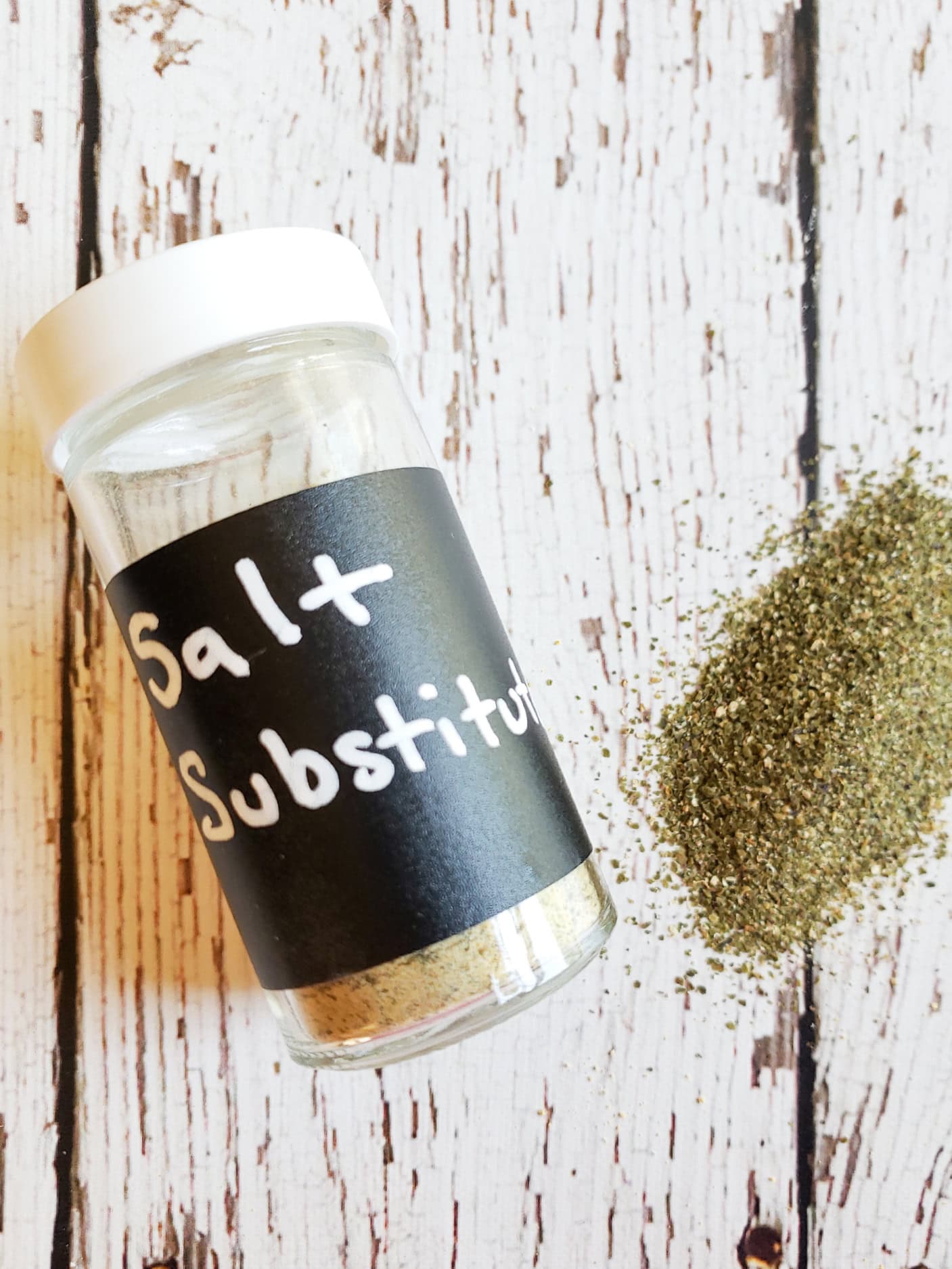
If you are wondering “what is a good salt substitute“, this is the best homemade salt substitute recipe. You can reduce salt intake by using this salt-free herb and spice mix. It’s the perfect substitute for those on a low-sodium diet or those who just want less salt in their diet.

Are you looking for low-sodium salt substitutes that don’t compromise on flavor? This homemade salt substitute is a good alternative to lower the amount of salt in your diet, and it’s one of my favorite ways to flavor meals. It’s simple to make and adds incredible flavor.
When I weighed nearly 300 pounds, I ate a lot of fast food and processed foods and never thought about how much sodium I was getting, until I was diagnosed with high blood pressure. Now that I enjoy a plant-based diet and have lost 125 pounds, my blood pressure has returned to normal and I limit the amount of sodium I eat.
Before I show you how to make this good salt substitute recipe, please take a quick second to subscribe to the Intentionally Eat newsletter. It contains tips and recipes to help you live your healthiest life, plus you’ll get a free acid/alkaline chart to show you which foods you should eat for optimum health.

Table of Contents
Why This is a Good Salt Substitute
This homemade salt substitute delivers a rich, flavorful punch that enhances your dish without a bitter aftertaste like most salt substitutes.
- Savory Boost: Garlic, onion, and lemon zest pack bold flavor without high levels of sodium.
- Natural Umami: Kelp powder adds a briny, mineral-rich twist and potential health benefits.
- Balanced Spice: Black pepper and celery seed deliver a subtle kick and earthiness.
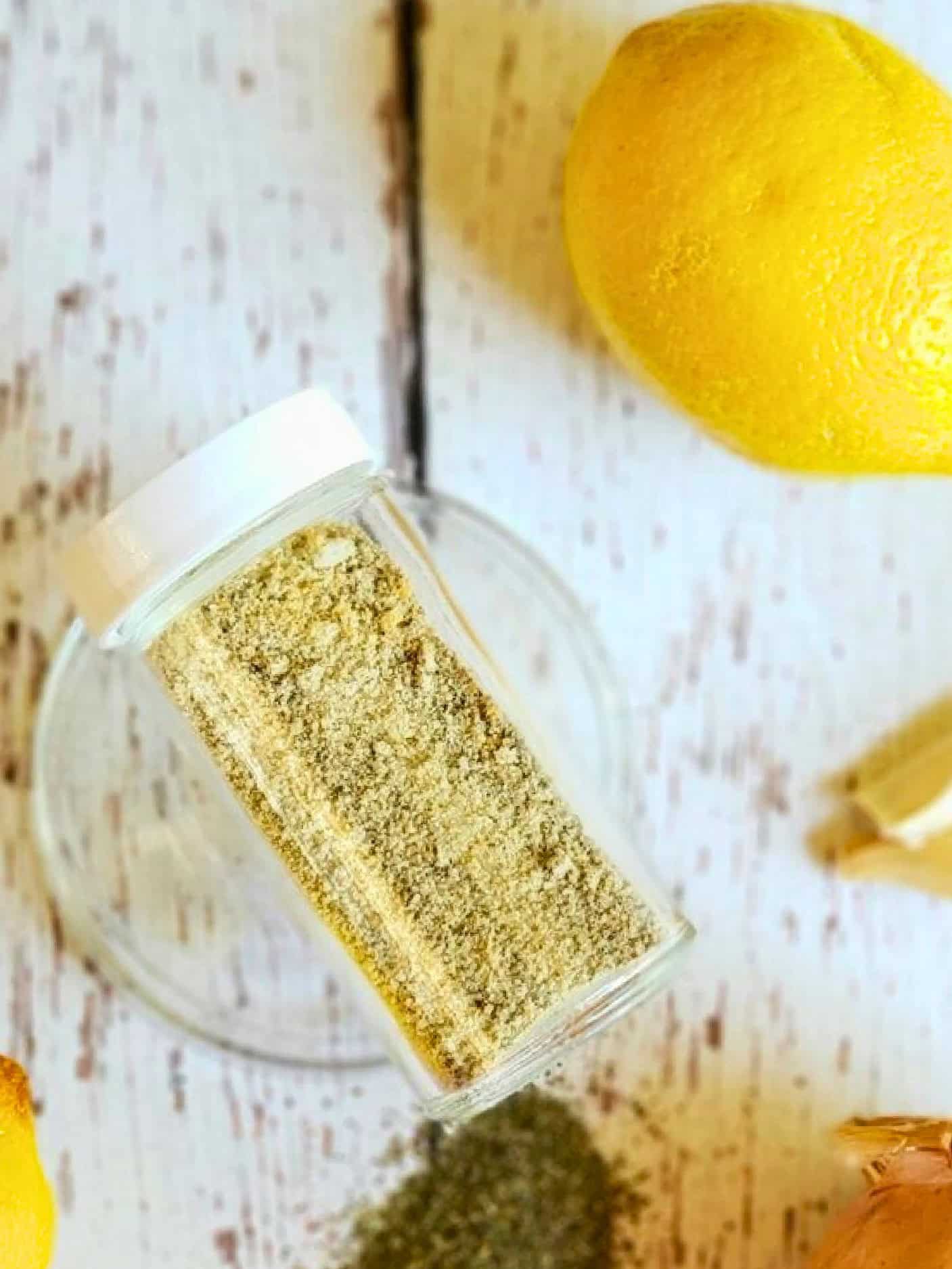
We all know that table salt, while adding that familiar kick to our savory dishes, can also contribute to health issues like cardiovascular disease, high blood pressure, kidney problems, and other chronic diseases. That’s where salt alternatives come to the rescue, but you need to be aware of what’s in that substitute salt shaker.

More Seasoning Blends Recipes
Homemade Dry Ranch Seasoning Mix
Replacement for Old Bay Seasoning
Downsides of Salt Substitutes
While salt substitutes can be useful for individuals who need to reduce their sodium intake, there are a few downsides to consider:
- Taste and flavor: Salt substitutes often have a different taste than regular table salt. They may contain potassium chloride or other alternative ingredients, which can impart a bitter or metallic taste.
- Potassium concerns: Many salt substitutes use potassium chloride to replace sodium chloride. While this can benefit individuals with low potassium levels, it may be problematic for those with certain medical conditions, such as chronic kidney disease. Excessive potassium intake can be harmful in such cases, so it’s important to consult with a healthcare professional before using salt substitutes.
- Medication interactions: Potassium-enriched salt substitutes can interact with certain medications. It’s essential to check with your healthcare provider to ensure that using salt substitutes will not interfere with your medications.
What is in Accent Seasoning Substitute
Speaking of flavor enhancers…so, you’re cooking up a storm in the kitchen, and you reach for that bottle of Accent seasoning to give your dishes that extra oomph. You think it’s a great way to season without using salt, but have you ever wondered what’s really in this seemingly innocent flavor enhancer?
Let’s delve into the negative side of Accent seasoning and shed light on some healthier alternatives that can still tantalize your taste buds.

Accent Seasoning Ingredients
The main ingredient in Accent seasoning: monosodium glutamate (MSG). While MSG is known to enhance flavors and create that umami taste we all crave, it has sparked concerns due to its potential adverse reactions in some individuals.
Some people may experience symptoms like headaches, flushing, or sweating after consuming foods containing MSG. Though these reactions are rare, it’s essential to be aware of them and make informed choices about what you put on your plate.
Other Names for MSG
Monosodium glutamate (MSG) can go by various names in ingredient lists. Note that just because a package says…no added MSG…it does not mean that there is no MSG.
The food manufacturer can add a whole product that has one of the forms of MSG and not claim that they added MSG. Next time you’re at the grocery store, be sure to look at the ingredients label and see if you find any of these alternative names for MSG.
Some alternative names for MSG include:
- MSG Accent
- E621 (the European food additive number for MSG)
- Autolyzed Plant Protein
- Autolyzed Yeast
- Aginomoto
- Calcium Caseinate
- Citric Acid (when processed from corn)
- Gelatin
- Glutamate
- Glutamic Acid
- Hydrolyzed Plant Protein (HHP)
- Hydrolyzed Vegetable Protein (HVP)
- Monopotassium Glutamate
- Monosodium Glutamate
- MSG
- Natural Flavoring
- Natural Meat Tenderizer
- Sodium Caseinate
- Senomyx
- Artificial Flavor
- Textured Protein
- Yeast Food or Nutrient
- Yeast Extract
Also Could Have MSG
This is a list of foods that could be additives and often have MSG in them.
- Annatto
- Barley Malt
- Bouillon
- Broth
- Caramel Flavoring (coloring)
- Carrageenan
- Corn syrup and corn syrup solids (partly depends upon process used)
- Cornstarch
- Dough conditioners
- Dry Milk Solids
- Enriched
- Fermented anything
- Flavoring Seasonings
- Flavors & Flavoring
- Flowing Agents
- Gums
- Lipolyzed butter fat
- Low or No fat items
- Malt Extract or Flavoring
- Malted Barley (flavor)
- Maltodextrin
- Modified Food Starch
- Milk Powder
- Pectin
- Protease
- Protein fortified anything
- Protease enzymes
- Protein Fortified Milk
- Rice or Brown Rice, Syrup
- Soy Protein
- Soy Protein Isolate or Concentrate
- Soy Sauce or Extract
- Spice
- Stock
- Ultra-pasteurized anything
- Vitamin enriched
- Whey Protein Isolate or Concentrate
- Whey Protein or Whey
- Yeast Nutrients
Remember, your health and well-being are the ultimate priorities. While Accent seasoning and other substitutes like it may offer a unique flavor profile, weighing the potential side effects and making informed choices is essential.
So, the next time you’re in search of that umami punch, explore the world of natural spices and seasoning blends to create culinary masterpieces that will wow your taste buds without compromising your health.
There are plenty of substitutes you can turn to for that burst of taste without the potential side effects of too much sodium or msg.
What is a Good Salt Substitute for Savory Recipes
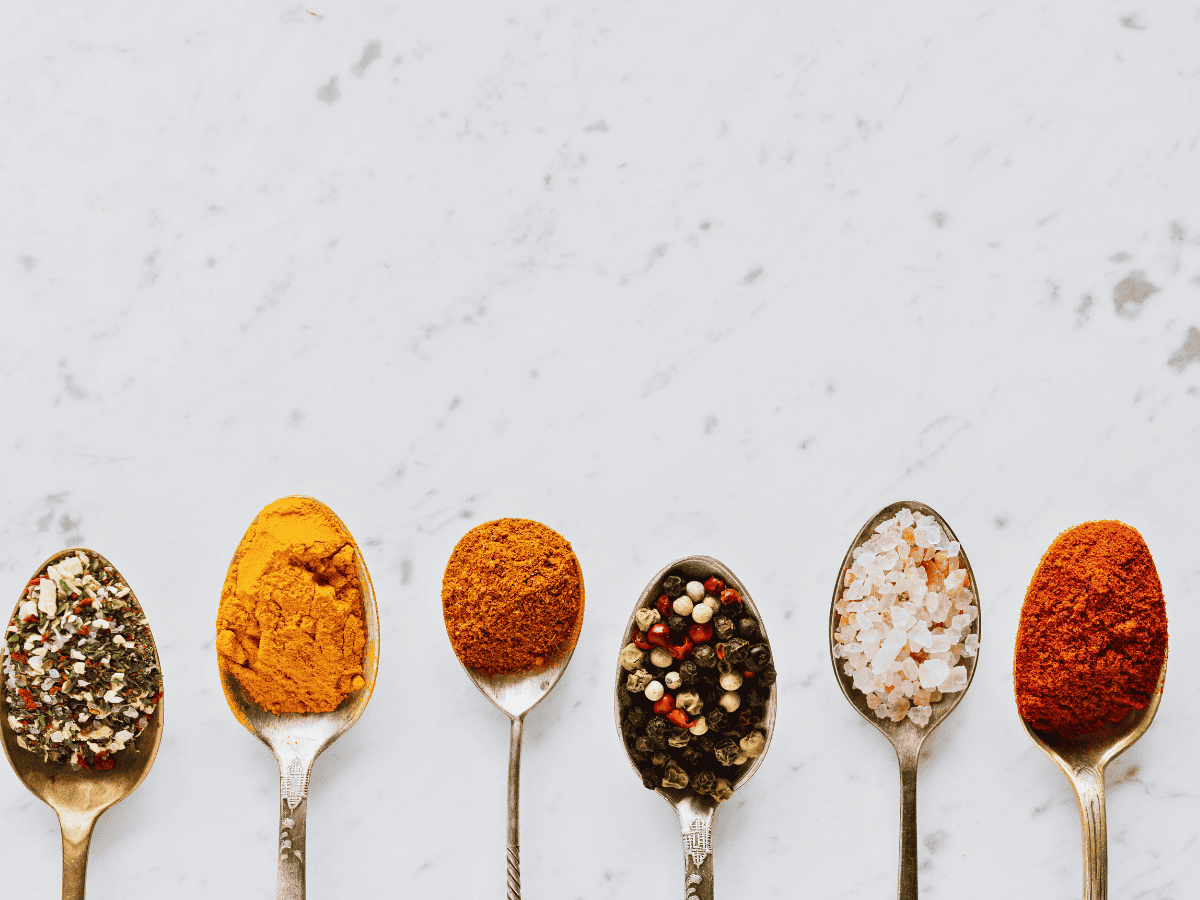
There are many spices that can be a good substitute for salt, such as black pepper, onion powder, cayenne pepper, chili pepper, and garlic powder. All of these are excellent alternatives to Accent seasoning, as well.
These common kitchen spices and ingredients offer robust flavors and can elevate your dishes to new heights.
Additionally, lemon juice, balsamic vinegar, chili powder, ground celery seeds, ground dill seed, white pepper, red pepper flakes, and even bay leaf can provide much flavor in place of salt.
Salt Substitute Ingredients
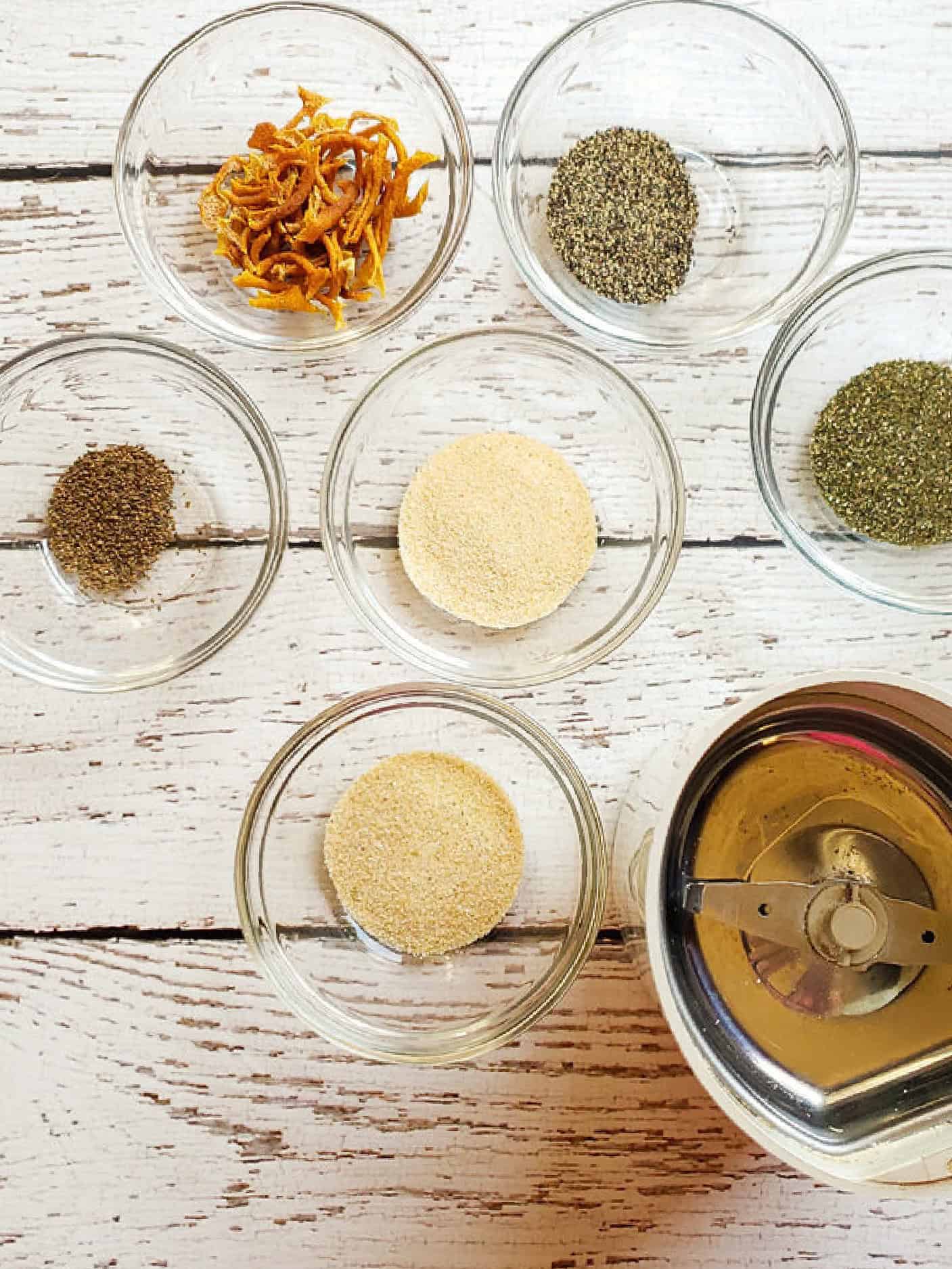
Here’s a simple yet good salt substitute recipe, it’s a great healthy alternative to Accent, as well as salt.
Garlic Powder
Onion Powder
Black Pepper
Dried Lemon Peel
Ground Celery Seeds
Kelp powder
* See the recipe card below for a detailed list of ingredients and measurements.
Benefits of Kelp Powder
I know you might not be familiar with kelp powder, but keep an open mind because you will get a great “salty” flavor from this seaweed, as well as several other potential benefits:
- Rich in iodine: Kelp is an excellent natural source of iodine, which is essential for proper thyroid function and the production of thyroid hormones. Adequate iodine intake supports metabolism, growth, and development.
- Nutrient-dense: Kelp powder contains various vitamins, minerals, and antioxidants, including vitamins A, C, E, and K, as well as calcium, potassium, magnesium, and iron.
- Potential weight management support: Kelp powder is low in calories and high in fiber, which can help promote a feeling of fullness and support healthy digestion. Some studies suggest that compounds found in kelp may have potential anti-obesity effects.
- Antioxidant properties: Kelp powder contains various antioxidants, such as fucoxanthin, which may have anti-inflammatory and anticancer effects. These antioxidants help protect cells from damage caused by harmful free radicals.
- Potential blood sugar regulation: Some research suggests that certain compounds in kelp, such as fucoidan, may have potential blood sugar-lowering effects. However, more studies are needed to establish definitive conclusions.

Jumpstart now!
Don’t miss out on the 5-Day Healthy Habits Jumpstart! Join now and experience the transformative power of embracing a healthier lifestyle!
How to Make Homemade Salt Substitute
RECIPE RUNDOWN
Here’s an easy way that doesn’t take much time and will ensure you take in less sodium. The full written instructions are found below in the recipe card. However, here’s a brief overview with photos.
- Step 1: Grind dried lemon peel and celery seeds in a spice grinder.
- Step 2: In a small bowl, mix together the rest of the spices.
- Step 3: Using a funnel, pour the spices into a spice jar.
STEP-BY-STEP INSTRUCTIONS
Step 1 – Grind
Using a spice grinder, grind dried lemon peel and celery seeds. It’s always best for you to grind them rather than purchase ground spices. They will be much more flavorful.
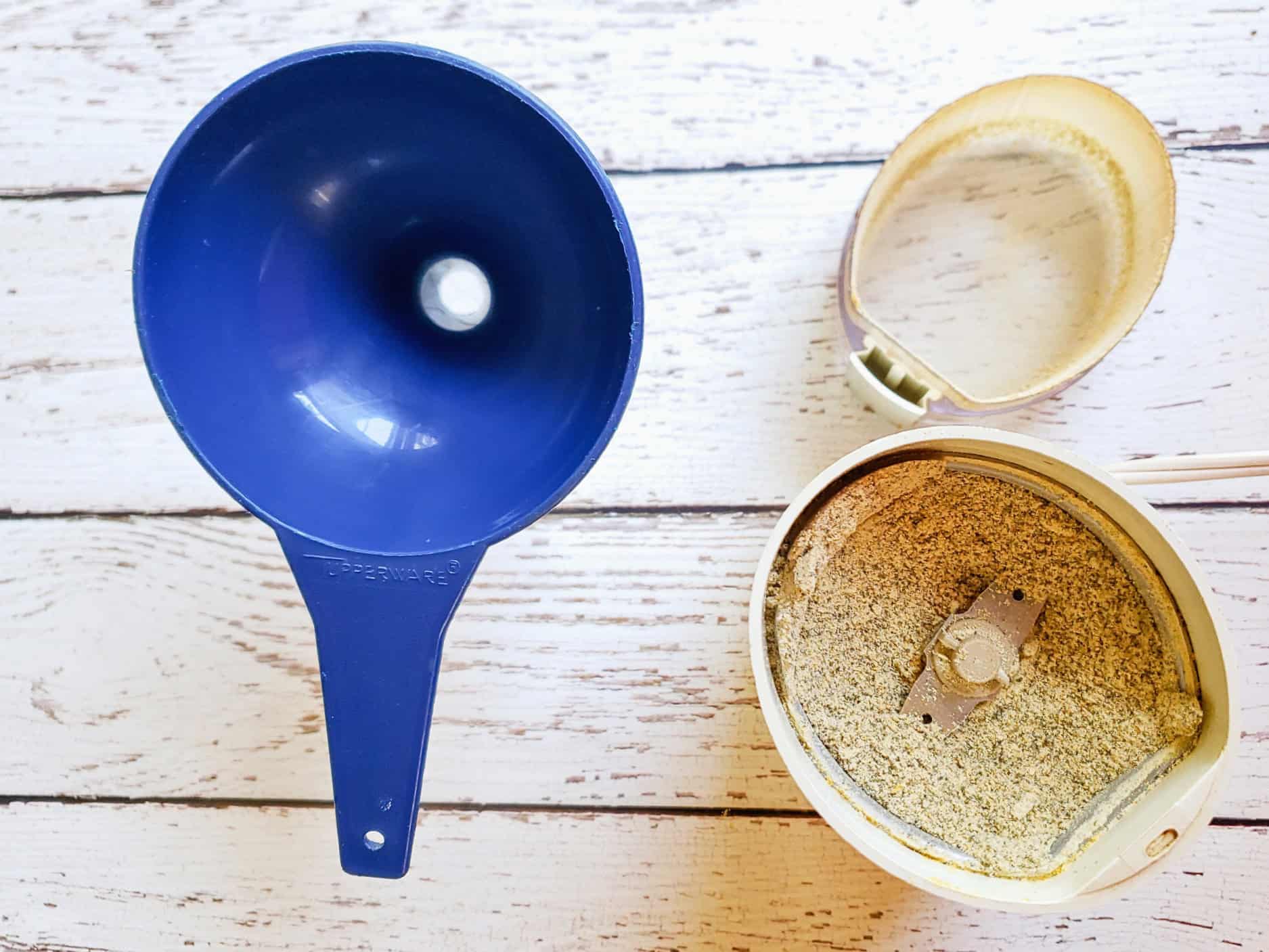
Step 2 – Mix
Next, in a small bowl, mix together equal parts garlic powder, onion powder, black pepper, dried lemon peel, kelp powder, and ground celery seeds. These aromatic herbs will add a zesty kick to your meals, making them a great substitute for traditional seasoning salts.
Step 3 – Store
Using a funnel, pour the blend of spices into a spice jar and store it in a dark place to preserve its flavors. Sprinkle a small amount over your favorite dishes or use it with olive oil and vinegar in salad dressings for a burst of taste without the excessive sodium.
FAQ’s
How to Make Salt Substitute Taste Better
The addition of dried lemon peel is one of the best things you can use to brighten up your salt substitute and make it taste better. If you are dehydrating your own lemon peel, be sure to wash the rind thoroughly to remove any wax and peel it without including any of the white pith to remove any bitter taste.
How Much Sodium a Day Should I Consume?
The recommended daily sodium intake varies depending on factors such as age, health conditions, and specific dietary needs. However, for the general population, including adults and children over the age of 14, the American Heart Association recommends consuming no more than 2,300 milligrams (mg) of sodium per day. Ideally, aiming for an intake of no more than 1,500 mg per day is even better for maintaining heart health and reducing the risk of high blood pressure and other related conditions.
It’s important to note that certain individuals, such as those with hypertension, kidney disease, or other health conditions, may need to follow a lower-sodium diet as advised by their healthcare provider. It’s always a good idea to consult with a healthcare professional or registered dietitian to determine the appropriate sodium intake for your specific needs.
How Much Sodium is in Salt Substitute?
The sodium content in spices can vary depending on the brand and specific product. However, as a general guideline, here is an approximate range of sodium content in this homemade salt substitute :
- Garlic powder (1 tablespoon): Around 2-4 milligrams of sodium.
- Onion powder (1 tablespoon): Approximately 2-3 milligrams of sodium.
- Black pepper (1 teaspoon): Roughly 1-2 milligrams of sodium.
- Dried lemon peel (1 tablespoon): Generally less than 1 milligram of sodium.
- Ground kelp powder (1 teaspoon): Usually less than 1 milligram of sodium.
- Ground celery seeds (1/4 teaspoon): Typically less than 1 milligram of sodium.
These figures are rough estimates and can vary slightly based on the specific brand and product. It’s always a good idea to check the nutrition information for the precise amount of sodium for the particular spices you are using.

If you tried this Homemade Salt Substitute or any other recipe at Intentionally Eat, please leave a ⭐star rating and tell me how it went in the 📝comments below. Thanks for visiting, and be sure to get instant access to new recipes, weight loss tips, plus a FREE alkaline food chart here.

The Best Homemade Salt Substitute Seasoning Recipe
Ingredients
- 1 Tbsp Garlic powder
- 1 Tbsp Onion powder
- 1 Tbsp Dried lemon peel
- 1 tsp Black pepper
- 1 tsp Kelp powder
- 1/4 tsp Celery seed

Instructions
- In a spice grinder, grind dried lemon peel and celery seeds.
- In a small bowl, mix all spices together.
- Place a funnel in a spice bottle and pour the homemade salt substitute into the spice shaker.



Notes
Tips for Making the Best Homemade Salt Substitute Recipe
- Use fresh spices.
- Grind spices rather than using already ground spices.
How to Store Homemade Salt Substitute
- Use an Airtight Container – store your salt substitute in a glass jar with a tight lid. Avoid plastic containers, as they can absorb odors over time.
- Keep in a Cool Dark Place – Place the jar in a pantry or spice cabinet, away from direct sunlight and heat. Avoid storing it near the stove or humid areas, as moisture can cause clumping.
- Add a Moisutre Absorber (Optional) – If you live in a humid climate, add a few grains of uncooked rice or a food-safe silica gel packet to absorb excess moisture and keep the salt substitute dry.
Serving Suggestions
Serve your salt substitute with your favorite dishes like:Nutrition
Before I say goodbye, I encourage you to take a moment to find out how I went from obese to 125-pound lighter -and how you can reach your goals, too!
Hungry for more?
The Best Spices for Pinto Beans
Epic Homemade Chili Seasoning Substitute Recipe
How to Make Tomato Powder Recipe
About the Author
Although Cindy has lost 125 pounds, her path to success was not easy. Go here to read her incredible story, “From Morbidly Obese to Losing 125 Pounds and Becoming a Health Coach.” If you want to send Cindy a quick message, visit her contact page here.
Pin the best homemade salt substitute seasoning recipe for later
I hope you enjoyed this recipe for a good salt substitute and found it delicious!


Disclaimer: Please note that I am not a medical professional. The information provided on this blog is based on my personal experiences and research as a vegan recipe enthusiast. While I strive to provide accurate and up-to-date information, it is important to consult with a qualified healthcare professional or a registered dietitian before making any significant changes to your diet, especially if you have any underlying health conditions or concerns. The recipes and tips shared on this blog are meant for general informational purposes and should not be considered a substitute for professional medical advice. Always prioritize your health and well-being by seeking personalized guidance from a qualified healthcare provider.





Such a helpful and great recipe! Tastes really good
Oh this is brilliant. I’ve used kelp powder in the past, but it’s never quite done it for me. Using it to make your seasoning makes it work so much better. Great idea and interesting information too, thank you.
Great recipe! Thank you so much for sharing this.
This is helpful since we are trying to eat less salt.
Yum! What a great homemade salt substitute!
What a great combination of flavors! And it’s a perfect for a low sodium diet.
i forgot to ask where can you buy dried lemon peel
Great question! You can make your own following the link in the article or you can purchase it in most grocery stores. If you can’t find it here is a link https://amzn.to/43innbG
This is a very useful recipe for a salt substitute. Will make a batch today.
Oh my goodness this salt substitute seasoning is amazing! Perfect for all kinds of recipes!
You will love this salt substitute, especially if you need to limit your salt intake. The dried lemon peel is the star, so do not omit it.
Question….do you grind the lemon peel and celery seed before measuring?
Yes, grind them first and then measure them. Enjoy!